Your First Taproom Visit: What Nobody Actually Tells You Before You Go

Over 160 verified taprooms and tasting rooms are listed on Craft Brewery Pal, and they average 4.6 stars across the board. That's not a fluke. These places genuinely deliver, but a lot of first-time visitors walk in with the wrong expectations and leave a little confused about what they just experienced.
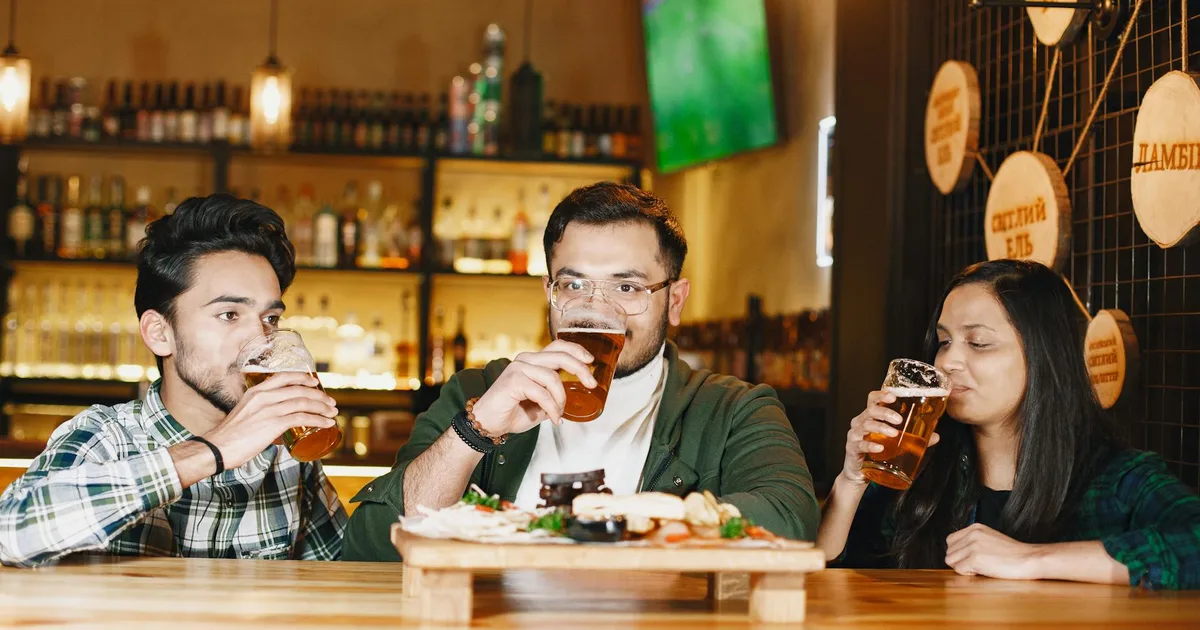
So let's clear some things up before your next visit.
Myth #1: A Taproom Is Just a Bar That Happens to Have Beer
Not quite. A taproom is physically located inside or directly attached to the brewery that made the beer you're drinking. That's the key difference. You're not just ordering a craft beer; you're standing in the building where someone brewed it, probably within the last few weeks.
Most taprooms have a limited, rotating draft list that reflects what's fermenting right now. You won't find 80 taps. You might find 8 to 16, and half of them could be seasonal or one-off batches that'll never exist again after the keg runs out. Which, honestly, makes it more interesting than a standard bar menu.
Because you're at the source, staff tend to know the beers deeply. Ask questions. Ask what the head brewer is excited about this month. You'll usually get a real answer, not a shrug.
Myth #2: Tasting Rooms and Taprooms Are the Same Thing
Close, but not identical. Taprooms typically operate more like a casual bar: you order at the counter, maybe grab a seat, hang out for a couple of hours. Tasting rooms lean toward a more structured experience. Think guided flights, education about the brewing process, and sometimes a reservation system.
Wineries popularized the tasting room format, and a lot of craft breweries have borrowed the model. You might sit down with a paddle of four small pours, each one explained in terms of ingredients, fermentation time, or regional grain sourcing. It's slower. It's a bit more deliberate.
Neither format is better. It depends entirely on what you're after. Want to grab a pint and watch the game? Taproom. Want to actually learn something and taste methodically? Tasting room works better in that situation.
Myth #3: You Can Get Food Anywhere Inside
This one catches people off guard.
Many taprooms do not have kitchens. Some have a small snack menu, maybe pretzels or a charcuterie board. Others operate with rotating food trucks parked outside on weekends. A good number have nothing at all beyond the beer itself. Licensing rules vary a lot by state, and some breweries are not permitted to serve food under their current license without significant additional cost and infrastructure.
Check the listing before you go. Seriously. If you're planning to make an evening of it with a group, showing up hungry to a place that only sells beer and peanuts is a rough start. A quick look at the taproom's profile will usually tell you what food options, if any, are available on site.
And bring cash sometimes. Smaller taprooms occasionally run card readers that go down on busy nights, and the last thing you want is to be stuck waiting while someone reboots the payment system.
Myth #4: You Have to Buy a Full Pint Every Time
Absolutely not. Flights are standard at most taprooms and tasting rooms, and they're one of the best ways to visit. A flight typically gives you four to six small pours, maybe four to five ounces each, so you can try a wider range without committing to a full glass of something you might not love.
Good news: flights are usually cheaper per ounce than buying individual pints, especially at places where the specialty or limited-release beers are priced higher. You can hit a sour, a hazy IPA, a dark lager, and a session ale in one sitting without feeling like you made a wrong choice halfway through.
Some tasting rooms let you build your own flight. Others offer a curated set. Either way, if you're new to a brewery, starting with a flight is almost always the smarter move.
What This Means For You
Taprooms and tasting rooms are worth seeking out specifically because they offer something a bottle shop or a restaurant tap list cannot: direct access to the people and place that made the beer. You get fresher product, more knowledgeable staff, and often a look at the tanks themselves through a window or an open floor plan.
Before your visit, check the listing for hours, food availability, and whether reservations are needed. Some tasting rooms, especially smaller or farm-based ones, run by appointment only on certain days. Finding that out after you've driven 40 minutes is annoying in a very specific way.
Browse the taprooms and tasting rooms listed on Craft Brewery Pal, read recent reviews, and pick one that matches the kind of experience you actually want. The ratings are there for a reason, and most of these places earned every star.