So You Found a Microbrewery on the List — Here's What You're Actually Walking Into

You search for a place to grab a good beer, you find a name that sounds promising, and then you're standing outside wondering if this is a bar, a brewery, a taproom, or some combination of all three. It's a fair question. Microbreweries don't always look the same from the outside, and the experience inside can vary more than you'd expect.
This article breaks down what a microbrewery actually is, what you'll typically find when you visit one, and how it differs from a brewpub, a craft bar, or a regional brewery. Straightforward stuff, but genuinely useful if you're new to the scene or just trying to set the right expectations before you show up.
What Actually Makes a Place a Microbrewery
Size is the official answer. According to the Brewers Association, a microbrewery produces fewer than 15,000 barrels of beer per year, with at least 75% of that beer sold off-site. That second part matters more than most people realize.
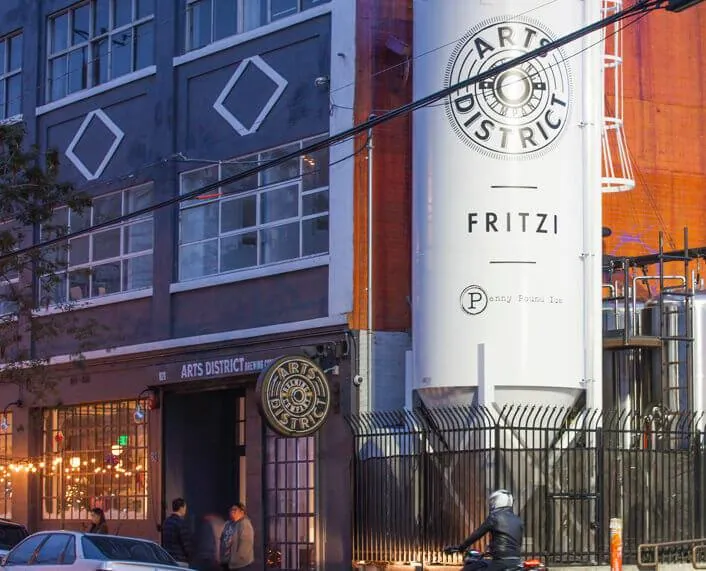
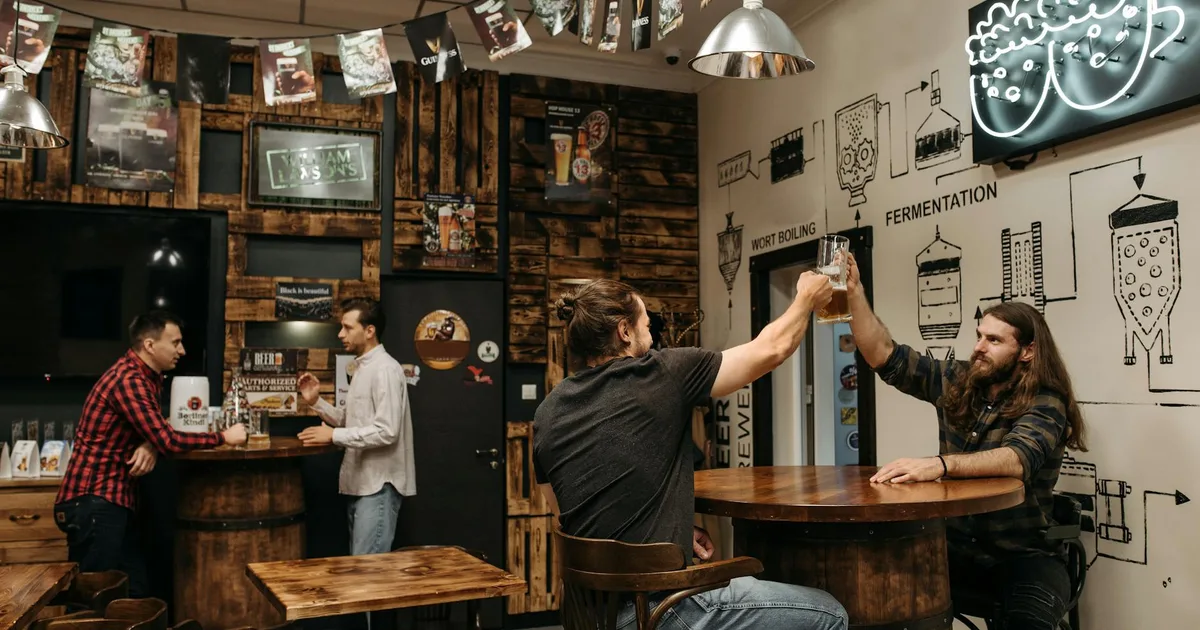
Production numbers aside, what you'll notice in practice is scale. Microbreweries are small operations. You'll often see the tanks right there in the room, sometimes separated by a low railing or a pane of glass, sometimes just sitting open in the middle of the space. That's not a design choice meant to look cool. That's just how small the place is.
And because most of their beer goes out the door rather than being consumed on-site, the taproom (if there is one) tends to be secondary to the actual brewing work. Some microbreweries have gorgeous taprooms with 20 taps and food trucks parked outside. Others have a folding table, four barstools, and a chalkboard with six options. Both are legitimate.
Worth knowing: many microbreweries sell directly to local bars and restaurants too, so a beer you've had at a nearby restaurant might come from a microbrewery you've never actually visited. Small world.
What to Expect When You Walk In
Walking into a microbrewery for the first time, the first thing you notice is usually the smell. Grain, yeast, something faintly sweet. It's not unpleasant at all, but it's distinctly different from a regular bar. You're in a working production space, even if the front half is dressed up to look like a taproom.
Staff tend to know their beer well. Not in a rehearsed, scripted way, but in a "we literally made this" way. Ask about a specific batch or a hop variety and you'll often get a real answer, not a shrug. That's one of the better parts of visiting these places.
Expect a shorter tap list than a craft beer bar. Fifteen taps is common. Eight is not unusual. Microbreweries are usually focused on a core lineup with a few rotating or seasonal options, not a wall of 60 handles sourced from everywhere. If variety is your main goal, a dedicated bottle shop or craft beer bar will serve you better. But if you want to drink something made steps away from where you're sitting, a microbrewery wins every time.
Food is a mixed bag. Some microbreweries have a full kitchen. Many don't. A lot of them partner with food trucks on weekends, which honestly works out well. Check ahead if food matters to your visit.
Hours can be limited too. Tuesday through Sunday, noon to eight, is a pattern you'll see often. Microbreweries are not typically open late. They're not trying to be a bar. Keep that in mind when you're planning an evening out.
How Microbreweries Differ from Similar Spots
People mix these up constantly, so let's be direct about it.
A brewpub brews beer on-site and sells most of it on-site, usually with a full restaurant attached. A microbrewery does the opposite: most of the beer leaves the building. If you sit down for a full meal with a pint, you're probably in a brewpub. If you order a flight while standing near a forklift, you're in a microbrewery.
A craft bar or tap house doesn't brew anything. It sources from multiple breweries and gives you variety. Great for exploration, but there's no production happening behind the scenes.
Regional breweries are just bigger. Same general concept as a microbrewery, but with distribution across multiple states and production that goes well past 15,000 barrels. You'll find their cans at grocery stores. Microbreweries rarely get that far, and a lot of them aren't trying to.
Nanobreweries are smaller than microbreweries, often run by one or two people, sometimes out of a garage or a very small commercial space. The line between nano and micro gets blurry fast, but if a place has fewer than three employees and the owner is also the head brewer and also the person pouring your beer, you're probably in nanobrewery territory.
Craft Brewery Pal has 160+ verified microbrewery listings, and across those, you'll find pretty consistent ratings averaging 4.6 stars. That's not an accident. Small producers who care about what they're making tend to create better experiences, even when the taproom setup is basic.
Tips for Getting the Most Out of a Visit
Go on a weekend if you want the full experience. Most microbreweries save their new releases and special tappings for Friday or Saturday. Midweek visits are quieter, which is great if you want to actually talk to the brewer, but you might find fewer options on tap.
Ask for a sampler or a flight before you commit to a pint. Microbreweries vary a lot in style focus. Some lean heavily into IPAs. Others are all about lagers or sours. A four-sample flight for around eight to twelve dollars is a smart way to figure out where you actually want to spend your next round.
Bring cash or check whether they take cards. Smaller operations sometimes charge a small fee for card transactions, and a few still prefer cash entirely. It's a minor thing, but annoying to discover after you've already ordered.
Buy a can or a crowler to take home. Most microbreweries sell their beer to-go, and it's often cheaper per ounce than what you pay at a bar. Plus you get to support a small operation directly. Hard to argue with that.