Inside a Craft Brewery: What You'll Actually Find When You Walk Through the Door

You've seen the signs. Maybe a friend mentioned a taproom downtown, or you spotted a listing while looking for something to do on a Saturday afternoon. But if you've never walked into a craft brewery before, it can feel a little unclear what you're actually getting into. Is it a bar? A factory? Do you need to know a lot about beer to not look clueless? These are fair questions, and they stop more people than you'd think.
This article breaks down exactly what craft breweries are, what you'll find inside, and how they're different from the other beer-related spots you might already know.
What a Craft Brewery Actually Is
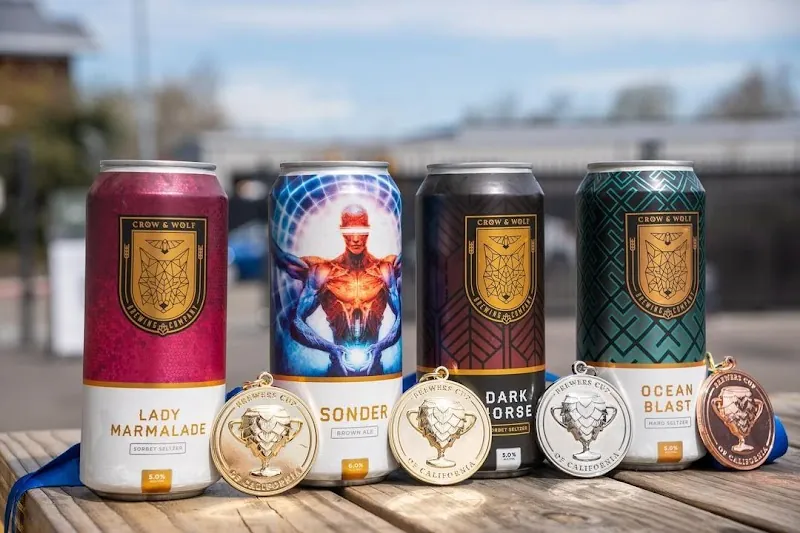
At its core, a craft brewery is a small, independently owned operation that brews its own beer on-site. That's the key part. They're not pouring beer brewed somewhere else and shipped in bulk. They make it themselves, often in relatively small batches, and the recipes are usually their own.
Size matters here. Craft breweries are defined in the U.S. by the Brewers Association as producing under 6 million barrels per year, though most of the places you'll find on a directory like Craft Brewery Pal produce far less than that. A lot of them cap out at a few hundred or a few thousand barrels annually. That small scale is kind of the whole point.
And honestly, that small scale is what makes them interesting. Because these places aren't beholden to shareholders or national distribution contracts, the brewer has a lot more freedom to experiment. You might find a smoked porter, a mango wheat ale, or a hyper-local lager made with water from a regional source. There's a creative energy in craft breweries that you just don't get from large commercial producers.
One thing worth knowing: craft breweries are not the same as brewpubs. Both brew their own beer, but a brewpub is legally classified as a restaurant and is required to serve food alongside the beer. A craft brewery might offer snacks or let you bring in outside food, but food service isn't necessarily part of the deal. Keep that in mind before you show up hungry.
What to Expect When You Walk In
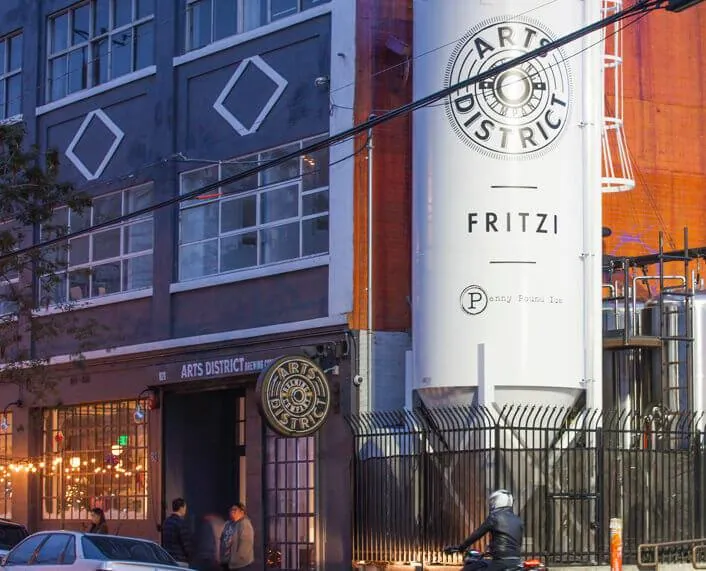
Walking into one for the first time, the setup can feel a little different from a regular bar. Most craft breweries have a taproom, which is essentially a public tasting and drinking space built right next to or inside the production facility. You might be able to see the fermentation tanks from where you're sitting. Some places lean into this with big glass windows or open floor plans.
You'll usually order at a bar or counter, and a staff member will walk you through what's currently on tap. Tap lists change. A lot. That's not a bug; it's a feature. Seasonal releases, one-off experiments, and small-batch brews come and go. If you find something you love, it might not be there next time. That's part of the culture.
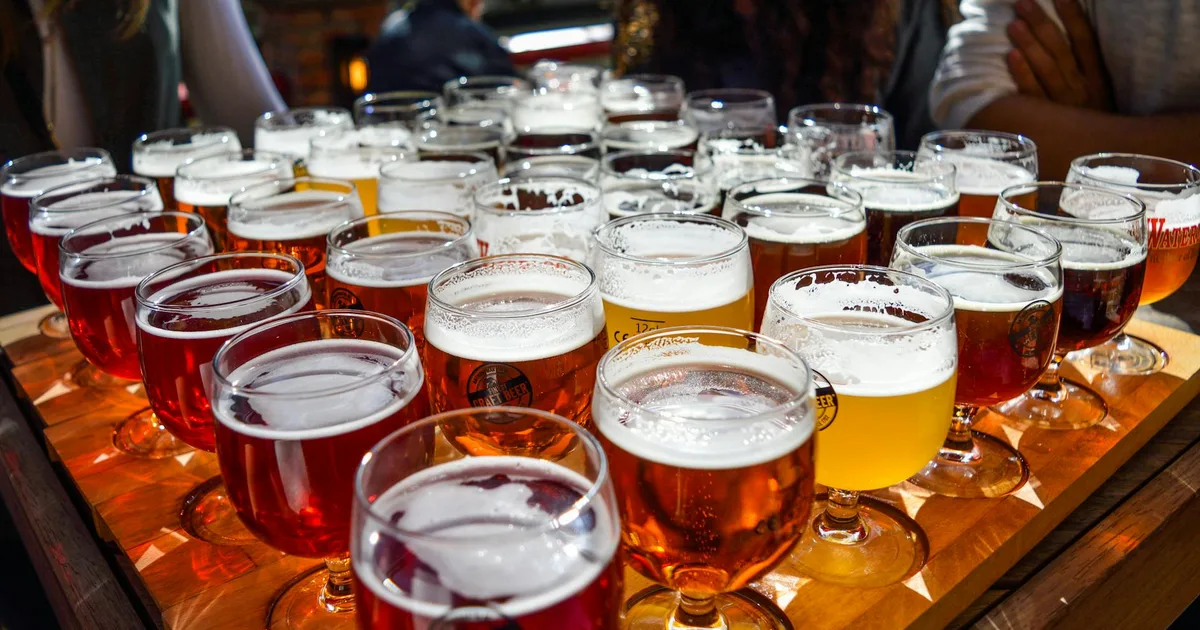
Flights are common. Most craft breweries offer a sampler tray of four to six small pours so you can try a range of styles before committing to a full pint. If you're new to craft beer, start there. It's a low-pressure way to figure out what you actually like.
Pricing is usually pretty straightforward. Expect to pay somewhere between $5 and $9 for a pint, depending on the beer and the region. Hazy IPAs and barrel-aged stouts tend to sit at the higher end. Lighter lagers and session beers are often cheaper. Some places have loyalty cards or growler programs if you become a regular.
Oh, and bring cash as a backup. Not every taproom has great card infrastructure, especially the smaller ones that operate out of converted warehouses or industrial spaces.
How Craft Breweries Differ from Similar Spots
People mix these up all the time, so it's worth being direct about the differences.
A bar or tavern sells beer from other producers. It does not make anything on-site. A craft brewery makes what it sells. That distinction changes the whole experience, because the people pouring your beer often had a hand in making it, or at least know the person who did.
A microbrewery is technically a type of craft brewery, just one that produces under 15,000 barrels per year. Most craft breweries you'll visit fall into the microbrewery category by default. The terms are often used interchangeably, and that's fine for casual conversation.
A nanobrewery is even smaller, usually run by one or two people with a very limited batch size. These are often passion projects or side businesses. They can be incredible, but hours may be limited and tap selection might be just three or four options on a given day.
Brewpubs, as mentioned earlier, are the ones with food menus built in. They do not always have a wider beer selection than a standalone craft brewery. Sometimes it's the opposite. Craft breweries that focus entirely on beer often have 15 to 20 taps running at once.
With 160+ verified listings on Craft Brewery Pal, you'll notice that the options vary a lot in size, vibe, and speciality. Some lean heavily into sours and wild fermentation. Others are focused on traditional German styles or West Coast IPAs. Reading the listing details before you go saves you a trip if you're after something specific.
What Makes the Craft Brewery Experience Worth Seeking Out
It's not just about the beer. That sounds like marketing language, but it's actually true in a practical sense.
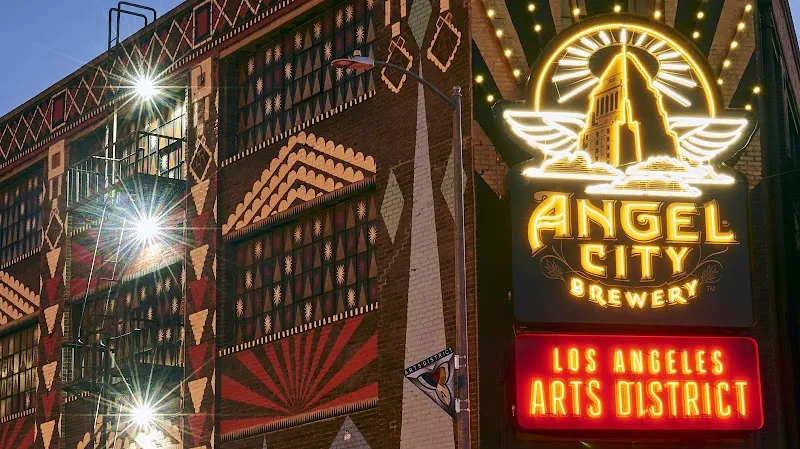
Craft breweries tend to be community anchors. Many host trivia nights, live music, or local food truck partnerships on weekends. A few have dog-friendly patios, which is always a nice detail. Some are tucked into neighborhoods that wouldn't otherwise have a gathering place for adults.
The staff knowledge is usually genuinely good. Because these are smaller operations, the people behind the bar often know a lot about each beer on tap, including what hops were used, the ABV, and what food it pairs well with. You can ask questions without feeling like you're inconveniencing anyone.
Going in the afternoon on a weekday is worth considering if you prefer a quieter experience. Weekend evenings at popular craft breweries can get loud and crowded fast, especially if there's an event on. In practice, the beer is the same at 3pm on a Tuesday.
I would pick a well-reviewed craft brewery over a generic sports bar any time I want a drink that actually tastes like something. Typically, the average rating across Craft