Brewpubs Are More Than a Bar with a Tank on the Wall

You show up expecting a regular bar and leave slightly confused. The menu has four pages. Someone next to you is asking the bartender about dry-hop schedules. There's a giant stainless steel vessel visible through a window behind the bar, and you're not totally sure if you ordered a beer or a flight or both. Brewpubs can feel like a lot the first time. This article breaks down exactly what they are, what you'll find when you walk in, and how they differ from the other craft beer spots you might be comparing them to.
What a Brewpub Actually Is
A brewpub is a restaurant or bar that brews its own beer on the premises and serves it directly to customers in the same building. That's the core definition. But the practical reality is a little more interesting than that.
Most brewpubs hold a license that legally requires them to produce beer on site and sell a meaningful portion of it in-house. That's not just a technicality. It shapes the entire experience, because the people making your beer are usually the same people who designed the food menu, chose the glassware, and maybe even brought you the pint. There's a directness to that chain that you don't get at a regular bar or restaurant.
And honestly, that's what makes these places worth seeking out. You're not drinking something that was shipped from a distribution center three states away. You're drinking something that was brewed in the same ZIP code, often that week.
Brewpubs also tend to rotate their taps more often than a typical craft beer bar. Because they control production, they can experiment. A small batch sour might be on tap for two weeks and then it's gone. If you go back and expect the exact same lineup, you might be surprised. That's a feature, not a flaw.
What to Expect When You Walk In
Walking into a brewpub for the first time, the layout usually signals something right away. Most have a visible brewing setup, even if it's just a few fermenters behind glass or a small kettle visible from the bar. Some are more theatrical about it. A few have the whole operation running in the open dining room, which smells amazing during a brew day, for the record.
Food is a real part of the equation. This is not a place where you get a sad bowl of peanuts. Most brewpubs run a full kitchen, with menus designed to pair with the house beers. You'll often see dishes that actually incorporate the beer, like a cheddar soup made with the amber ale or a pretzel served with a spent-grain mustard. Some get very serious about this. Others keep it simple with elevated pub food. Either way, you should plan on eating.
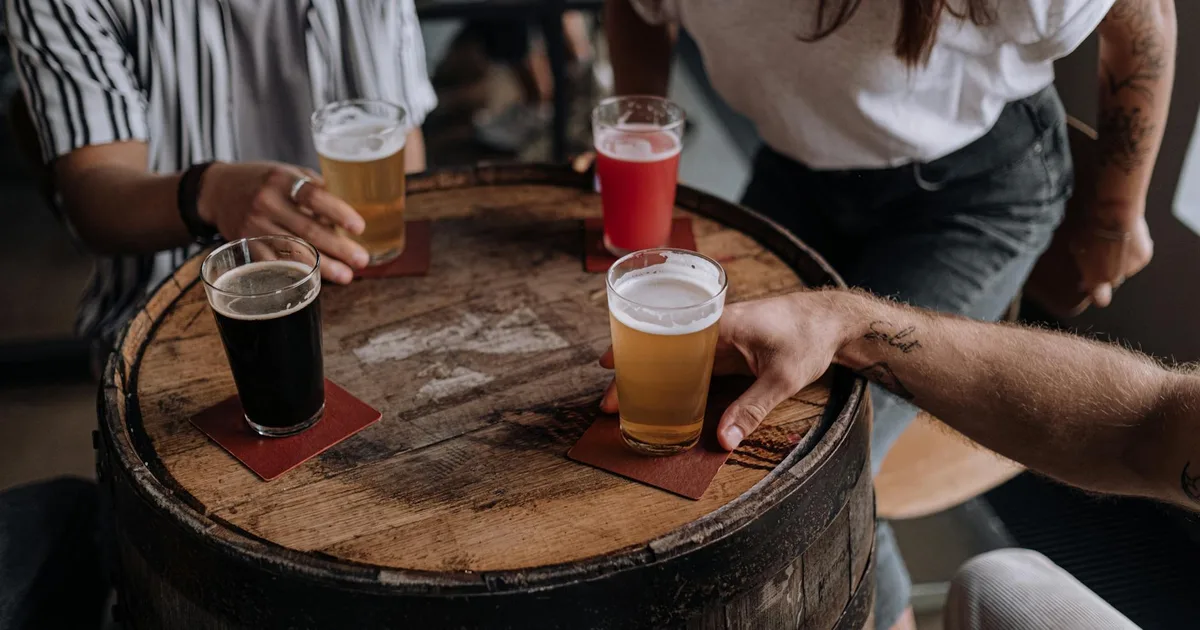
Expect a flight option. Almost every brewpub offers some version of a tasting flight, usually four to six small pours in a wooden paddle or a little tray. This is worth doing on a first visit, especially if you don't know what you like yet. You can cover a lot of ground for around $10 to $15 and figure out which direction you want to go for your full pour.
Staff at these places tend to know the beer well. Not just "this one is hoppy" well. Genuinely well. Ask questions. What's the IBU on that IPA? Is that hazy or clear? What would you pair with the fish tacos? Most people working at a brewpub actually want to talk about this stuff.
How Brewpubs Differ from Taprooms and Craft Beer Bars
This is where people get tangled up, and understandably so. Brewpubs, taprooms, and craft beer bars can all look pretty similar from the outside.
A taproom is the on-site tasting room for a brewery. The brewery is the main business. In practice, the taproom is where they sell directly to the public, often with limited food options, sometimes just snacks or food trucks parked outside. Taprooms are usually more casual, sometimes in industrial spaces, and the focus is entirely on the beer. There's no kitchen required.
A craft beer bar is different again. It doesn't brew anything. It curates a selection of beers from lots of different breweries, sometimes hundreds of bottles and a rotating draft list. These places are great for variety, but the beer isn't made there.
Brewpubs sit in between those two things. They have the production side of a brewery and the hospitality side of a full restaurant. That combination means they're usually more polished than a taproom and more personal than a craft beer bar. Typically, the beer you're drinking exists because someone in that building decided to make it.
Wait, that's not quite right to say "in between," because brewpubs are often the most complete experience of the three. You get fresh house beer, real food, and a staff that understands both sides of the operation.
Craft Brewery Pal has 160+ verified brewpub listings, with an average rating of 4.6 stars across the directory. That's a decent signal that people are generally having a good time at these places.
Tips for Getting the Most Out of a Brewpub Visit
Go on a weeknight if you can. Weekend evenings at popular brewpubs can get crowded fast, and you lose the relaxed pace that makes the experience good. A Tuesday at 6pm hits differently than a Saturday at 8.
Ask what's new or seasonal. Brewpubs often have a small-batch or experimental tap that doesn't make it onto the printed menu. Sometimes it's not even labeled. Just ask. As a rule, the worst they can say is "nothing right now."
Don't skip the food just because you came for the beer. A brewpub that's running a serious kitchen is usually doing it because the chef and the brewer actually talked to each other. Ordering a pint and nothing else is fine, but you'll get more out of the visit if you eat something.
If you're going with a group that has mixed interest in beer, brewpubs are a genuinely better pick than a taproom. Most have cocktails, wine, and non-alcoholic options alongside the house beer list. Nobody gets left out.
One last thing: check the hours before you go. Brewpubs often have kitchen hours that close earlier than the bar, sometimes by an hour or two. Show up at 9pm hoping for a full meal and you might be out of luck. A quick look at their page on Craft Brewery Pal before you head out will save you the trip.
Frequently Asked Questions
-
More Ways to Save